


Patient Education
Periodontal Disease Treatments and Procedures
There are a variety of ways periodontists can treat periodontal disease. Following dental school, periodontists receive up to three additional years of specialized training in both surgical and non-surgical periodontal procedures to treat gum disease. Periodontists are also experts in replacing missing teeth with dental implants.
The best treatment, of course, is prevention. If your gums are healthy today, start with keeping your gums healthy — the daily habits and warning signs that stop most problems before they begin.

How periodontal disease is treated
Surgical Treatment
When gum disease has advanced or non-surgical care is not enough, surgical procedures restore the health of the gums and the bone that supports the teeth — including pocket reduction (osseous) surgery, regenerative procedures that rebuild lost bone and tissue, and crown lengthening.
Learn more →Non-Surgical Treatment
The first line of defense against periodontal disease. Scaling and root planing — a careful deep cleaning that removes plaque and tartar from below the gumline and smooths the root surfaces — controls infection and can halt the disease before surgery is needed.
Learn more →Dental Implant Procedures
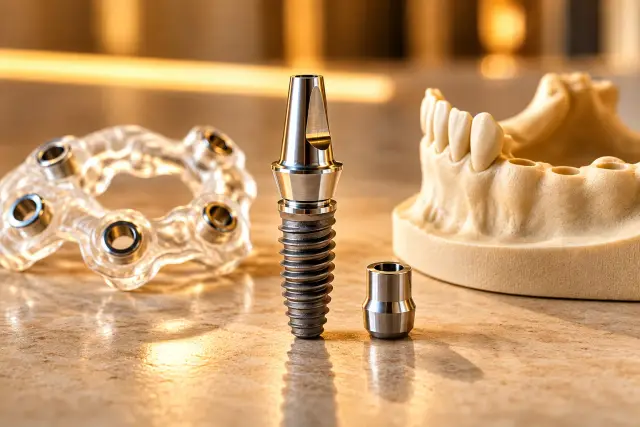
Periodontists are experts in replacing missing teeth with dental implants: titanium posts placed in the jawbone that support natural-looking, durable replacement teeth — often paired with bone grafting or sinus augmentation to rebuild adequate support.
Learn more →Cosmetic Procedures
Beyond health, periodontal procedures can improve the appearance of your smile — treating gum recession with soft-tissue grafts, reshaping a “gummy” smile or an uneven gumline, and rebuilding gum and ridge contours for a balanced, natural look.
Learn more →These treatment categories follow the framework of the American Academy of Periodontology (perio.org).
Go deeper
In-depth articles on our blog
For longer, carefully sourced reading on these topics — the mouth–body connection, bone loss and regeneration, implants, and prevention — visit our evidence-based oral health blog.
Read the blogHave a question about your gums, teeth, or bone?
Whether you are a patient exploring your options or a general dentist with a complex case, a focused consultation is the clearest way to understand the most conservative path forward.
This information is provided for educational purposes — adapted from the American Academy of Periodontology (perio.org) — and is not a substitute for a professional evaluation. Diagnosis and treatment should always be determined by a qualified dental professional based on your individual condition.