


Tooth Extraction
Surgical Tooth Extraction
Not every tooth can be removed with a routine extraction. Teeth that are impacted, severely fractured, decayed below the gumline, or firmly anchored in the jaw often require a more advanced surgical approach. A surgical tooth extraction allows these teeth to be removed safely while preserving the surrounding bone, gum tissue, and neighboring teeth.
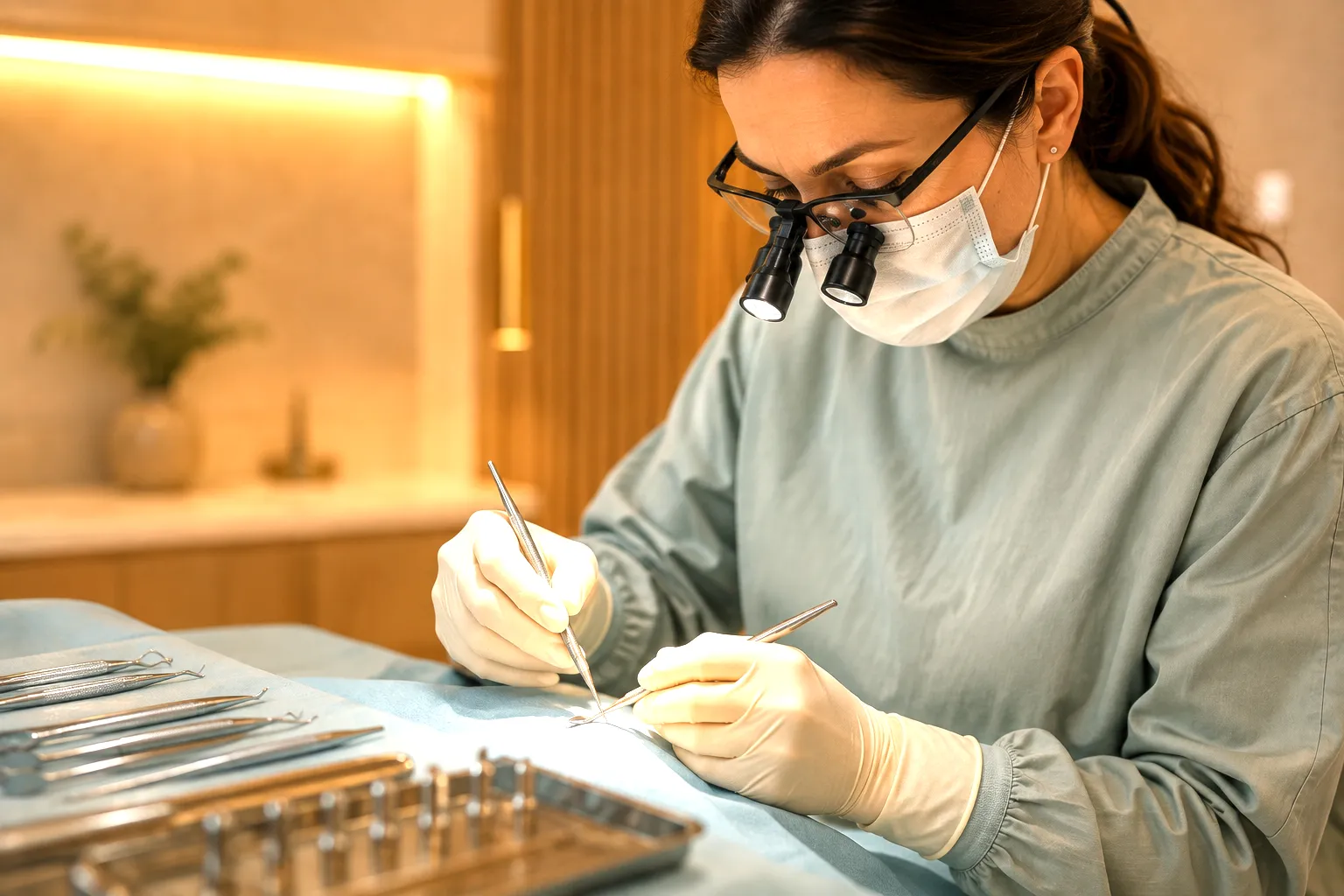
Unlike a simple extraction, surgical removal may involve a small incision in the gum, careful removal of a limited amount of bone, sectioning the tooth for controlled removal, and sutures to support healing. Modern techniques, advanced imaging, and effective anesthesia make surgical extractions safer, more comfortable, and more predictable than ever.
Who it’s for
- Teeth fractured or decayed below the gumline
- Impacted teeth and retained root tips
- Teeth with curved roots or fused to bone (ankylosed)
- Teeth damaged by trauma or failed root canal treatment
- Preparation for orthodontic or dental implant treatment
- Teeth affected by cysts or other pathology
What to expect
- 1
Advanced planning
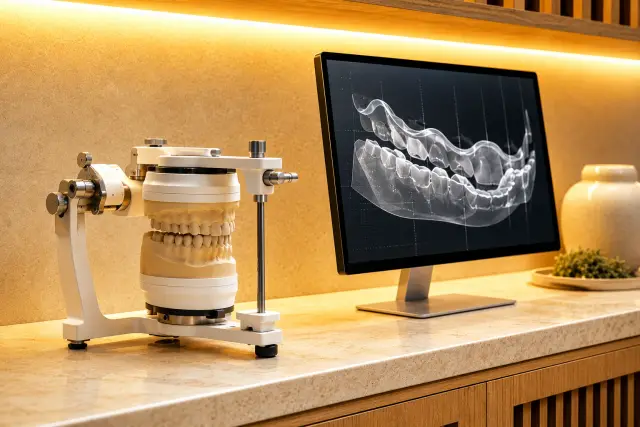
A comprehensive exam with CBCT imaging maps root anatomy, bone, nerves, and sinuses before treatment.
- 2
Comfortable anesthesia
Local anesthesia — and sedation when appropriate — keeps you comfortable throughout.
- 3
Minimally invasive surgery
A small opening is made, a little bone may be removed, and the tooth is sectioned for gentle removal while protecting nearby structures.
- 4
Healing support
The site is cleaned and sutured when needed, with socket preservation or bone grafting added when appropriate.
Recovery & aftercare
Most patients experience mild swelling, tenderness, and minor bruising for the first several days, managed with medication, cold compresses, and careful aftercare. Soft foods, no smoking or vigorous rinsing, and good hygiene support healing.
Most people resume normal activities within several days, with complete healing continuing over the following weeks.
Common questions
- How is a surgical extraction different from a simple one?
- A simple extraction removes a fully erupted, accessible tooth. A surgical extraction is used for teeth that can’t be removed conventionally — it may involve a small gum incision, removing a little bone, or sectioning the tooth.
- Will my bone be protected?
- Yes. Whenever possible, healthy bone and soft tissue are preserved — and socket preservation, bone grafting, or guided bone regeneration can be performed at the same time to support future implants.
- Why is the tooth cut into pieces?
- Because sectioning a multi-rooted tooth lets each root come out along its own path, rather than forcing the whole tooth out through bone that has to be removed to accommodate it. It sounds more aggressive and is in fact far more conservative — it preserves bone that would otherwise be sacrificed.
- Will I have stitches, and do they need removing?
- Usually yes for a surgical extraction. Many are dissolvable and disappear on their own within a week or two; non-dissolvable ones are removed at a short follow-up visit. Either way you’ll be told which you have.
- How much swelling should I expect?
- More than after a simple extraction, typically peaking on the second or third day before improving. Cold compresses in the first day help considerably, and switching to warmth after 48 hours helps it resolve. Swelling that increases after day three, particularly with fever, warrants a call.
- How long will I be off work?
- Most people take the day of surgery and often the following day. Desk work is usually manageable after that; physically demanding work is better left for several days. Multiple or complex extractions need longer.
- Is sedation available?
- Yes. Surgical extractions are routinely done under local anesthesia alone, and sedation is available for anxious patients or longer procedures. We’ll discuss the options and what each involves before the appointment.
- What are the risks?
- The recognized ones are infection, dry socket, prolonged bleeding, and — for lower back teeth — temporary or rarely permanent altered lip sensation where the tooth sits close to the nerve. Upper back teeth sit near the sinus, which is why both are mapped on imaging beforehand. Serious complications are uncommon and planning is what keeps them so.
Talk to a specialist about surgical tooth extraction
Whether you’re a patient considering treatment or a dentist referring a case, we’ll evaluate, plan, and coordinate care from diagnosis through follow-up.
Sources
This information is provided for educational purposes and is not a substitute for a professional evaluation. Diagnosis and treatment should always be determined by a qualified dental professional based on your individual condition.