TMJ & Functional Bite Therapy
Occlusal Splints
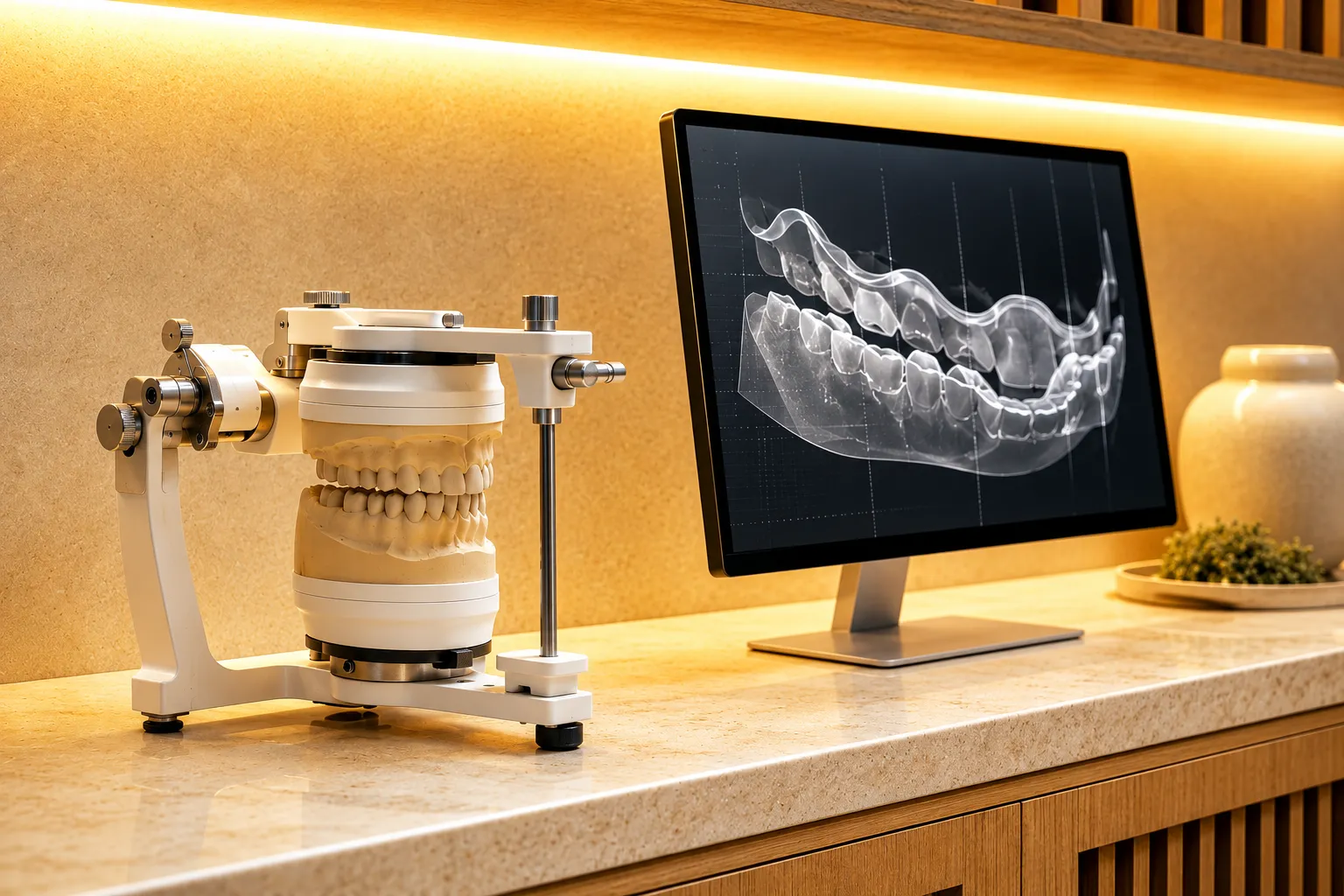
Custom occlusal splints are precisely made appliances that reduce the excessive forces placed on the teeth, jaw muscles, and temporomandibular joints. Unlike over-the-counter night guards, each appliance is individually designed and carefully adjusted to improve functional balance while protecting the teeth from grinding and clenching.
Detailed bite analysis and diagnostics are used so every splint provides comfort, stability, and long-term protection — as part of a broader plan rather than a one-size-fits-all device.
A properly made splint does two things at once. It puts a hard, replaceable layer between the teeth, so the wear that would have gone into enamel and porcelain goes into acrylic instead. And it provides an even, balanced contact across the whole arch, which typically reduces the intensity of the muscle activity itself — patients commonly report waking with less jaw tension, not merely with undamaged teeth.
The balance is what makes it therapeutic rather than merely protective, and it is exactly what an over-the-counter guard cannot deliver. A boil-and-bite appliance molded at home has no controlled contact pattern; it can leave the jaw contacting on one or two points, which in some patients makes the muscle activity worse rather than better. Soft guards in particular can act like something to chew on.
A splint also has to be adjusted after it is fitted, and then reviewed. Where the jaw muscles relax over the first weeks the bite against the splint changes, and an appliance that fitted perfectly at delivery needs refining. That follow-up is part of the treatment, not an optional extra.
Who it’s for
- Teeth grinding or clenching, whether during sleep or the day
- Jaw-muscle pain, fatigue, or TMJ symptoms
- Waking with a sore jaw or tension headaches
- Visible tooth wear, flattened biting surfaces, or chipped enamel
- Protecting expensive restorations, veneers, or implant crowns from fracture
- Cracked teeth or restorations that keep failing
- Patients who found store-bought night guards uncomfortable or ineffective
What to expect
- 1
Diagnosis first
The splint follows the assessment. Which appliance is appropriate depends on whether the problem is muscular, joint-based, or primarily about protecting teeth.
- 2
Bite analysis & records
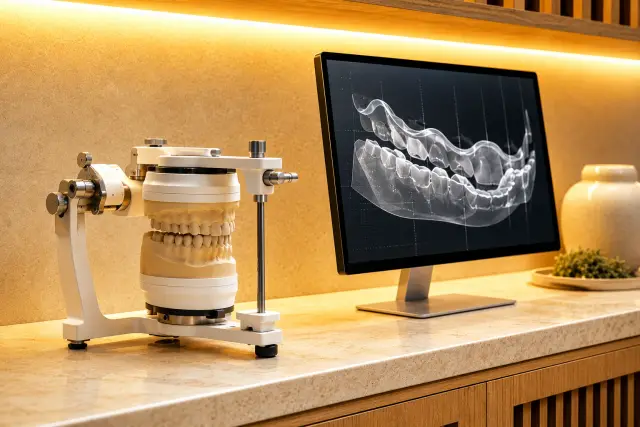
Your bite and jaw function are assessed and the jaw position recorded — the position the splint is built to is what determines whether it helps.
- 3
Custom fabrication
Impressions or digital scans are used to make a precisely fitted hard acrylic appliance, not a molded generic one.
- 4
Fitting & adjustment
The splint is seated, then adjusted so that contact is even across every tooth simultaneously and the jaw can move smoothly against it.
- 5
Settling review
You return within a few weeks. As the muscles relax the bite against the splint changes, and it is re-adjusted to the new position.
- 6
Long-term follow-up
Periodic review keeps the fit accurate and confirms the appliance is still doing its job as your bite and dental work change.
Recovery & aftercare
There is no recovery period. Most patients adjust to wearing the splint within a few nights — increased salivation and mild awkwardness the first night or two are normal and settle quickly.
Some jaw or tooth tenderness in the first week is common as the muscles adapt to an even contact pattern. It should be improving by the second week; if it isn’t, the splint needs adjusting rather than persevering with.
Rinse and brush the splint with cool water after each use, store it dry, and keep it away from heat — hot water and car dashboards both distort acrylic. Bring it to every dental appointment so the fit can be checked.
Common questions
- How is this different from a store-bought night guard?
- An over-the-counter guard is molded at home with no control over how the teeth contact it. A custom splint is made to a recorded jaw position and then adjusted so contact is even across the whole arch. That even contact is what reduces muscle activity — a guard with uneven contact protects teeth but can make clenching worse.
- When do I wear it?
- Most splints are worn during sleep, when grinding typically occurs. Daytime clenching is handled differently — usually through habit awareness rather than wearing an appliance, since a splint worn all day can encourage the behavior it’s meant to reduce.
- Hard or soft — which is better?
- Hard acrylic, in almost every case. Soft guards are more comfortable initially but compress under load, can’t be adjusted to a precise contact pattern, and for some patients act as something to chew, increasing muscle activity. Hard splints are adjustable, durable, and what the evidence supports.
- Will it stop me grinding?
- It usually reduces the intensity rather than abolishing the habit, which is largely centrally driven. What it reliably does is redirect the damage into a replaceable appliance and, through even contact, often calm the muscle activity enough that you wake more comfortable.
- Will it change my bite?
- A properly designed and reviewed splint shouldn’t. That is precisely why appliances covering only some of the teeth — the small anterior devices sold for headaches — carry real risk: leaving back teeth uncovered can allow them to over-erupt and permanently alter the bite. Full-coverage splints avoid this.
- How long will it last?
- Typically several years, depending on how heavily you grind. Heavy grinders wear through them faster, and a splint showing deep wear facets is doing exactly the job it was made for. It’s replaced when worn or when your dental work changes enough to alter the fit.
- Can I wear it with dental implants or crowns?
- Yes, and it’s often a specific reason to have one. Porcelain fractures under grinding forces, and implant restorations lack the shock-absorbing ligament natural teeth have, so they’re less forgiving of overload. Protecting substantial restorative work is one of the clearer indications for a splint.
- How soon will I feel a difference?
- Many patients notice reduced morning jaw soreness within the first two to three weeks. If there’s no improvement after a month of consistent wear, the splint likely needs adjusting or the diagnosis needs revisiting — either way, come back rather than persist.
Talk to a specialist about occlusal splints
Whether you’re a patient considering treatment or a dentist referring a case, we’ll evaluate, plan, and coordinate care from diagnosis through follow-up.
Sources
This information is provided for educational purposes and is not a substitute for a professional evaluation. Diagnosis and treatment should always be determined by a qualified dental professional based on your individual condition.