
Dental Implant Dentistry
Extractions & Socket Preservation
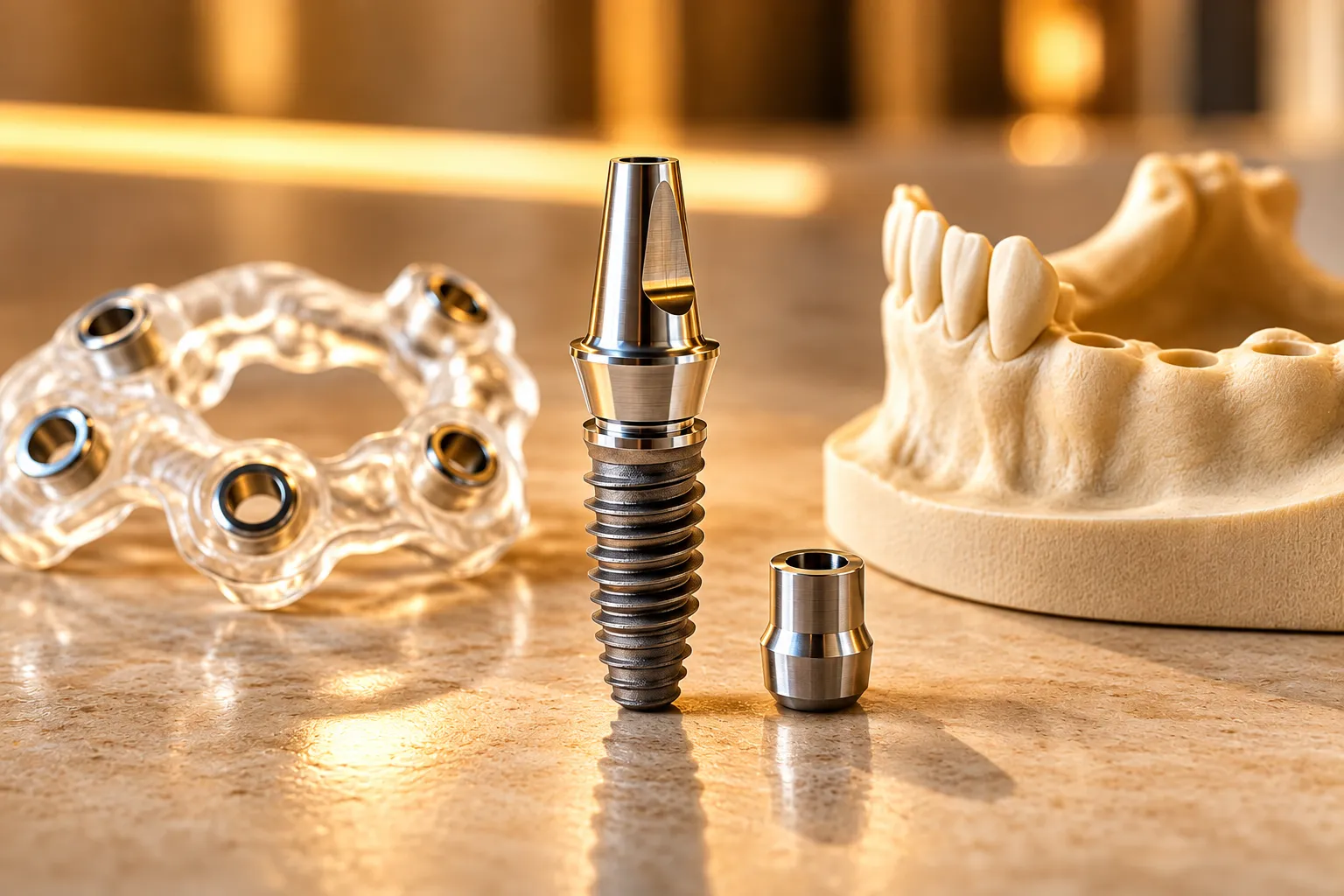
What Is Socket Preservation?
Socket preservation — also called alveolar ridge preservation — is a bone-grafting procedure performed immediately after a tooth is extracted, to limit the bone loss that otherwise follows and to keep the natural contour of the jaw intact.
An extraction socket does not simply fill back in with the bone that was there before. The thin shell of bone lining the socket depended entirely on the tooth’s root for its blood supply and its purpose, and once the tooth is gone that shell resorbs. The published evidence is consistent: most of the change happens in the first three to six months, and the ridge loses substantially more width than it does height — with the loss concentrated on the outer, cheek-side wall, exactly where an implant most needs support.
Placing graft material into the socket at the time of extraction, protected by a membrane where needed, does not stop remodeling entirely — nothing does — but it markedly reduces it. The socket heals with far more of its original dimension retained.
The decision is easiest to understand as a comparison of costs. Grafting a socket adds a few minutes to an appointment you are already having. Rebuilding a ridge that has been allowed to collapse is a separate surgery, months of additional healing, and a less predictable result. Whenever an implant is a realistic possibility later, preserving the site now is the cheaper move in every sense.
Who it’s for
- A tooth that needs removal with a dental implant planned or possible later
- Front teeth and other visible sites where ridge contour affects appearance
- Preserving the shape of the ridge beneath a future bridge or partial denture
- Extractions where the outer bone wall is thin — the sites that collapse most
- Patients who are undecided about replacement and want to keep options open
- Reducing the likelihood of needing larger grafting surgery in future
What to expect
- 1
Planning before the extraction
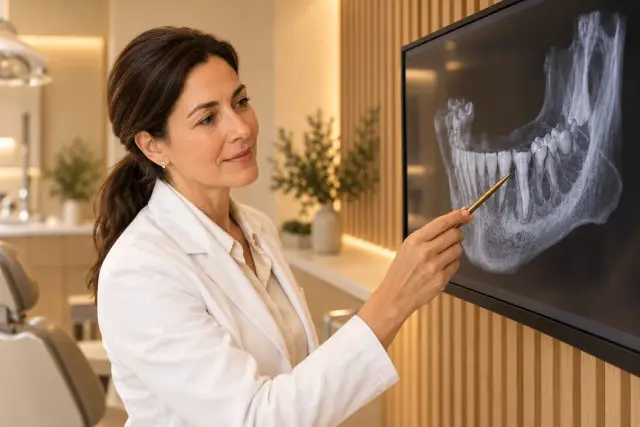
Imaging shows the root anatomy and, importantly, the thickness of the bone wall on the outer surface — the strongest single predictor of how much a site will collapse without grafting.
- 2
Atraumatic extraction
The tooth is removed with instruments and technique designed to lift it out without expanding or fracturing the socket walls. Preserving what’s there is far easier than replacing it.
- 3
Socket debridement
The socket is thoroughly cleaned of any granulation tissue or infection, so the graft heals into a clean site.
- 4
Socket grafting
Bone graft material is placed into the socket to the level of the surrounding bone and adapted to the socket walls.
- 5
Membrane or seal
A barrier membrane or soft-tissue seal is placed over the top to hold the graft in position and keep the fast-growing gum tissue from filling the space.
- 6
Healing & implant placement
The graft matures into bone over the following months, after which an implant can be placed into a ridge that still has its original shape.
Recovery & aftercare
Aftercare closely resembles a routine extraction — mild soreness, possible minor swelling, and a few days of softer foods on the other side. Most patients are surprised that adding the graft doesn’t make the recovery noticeably different.
The instructions that matter are the ones that protect the graft. Don’t rinse vigorously, spit forcefully, or use a straw in the first days; don’t smoke, which impairs graft healing more than almost anything else you can control; and expect that a few granules may work their way loose into your mouth in the first week, which is normal and not a sign the graft has failed.
The socket typically closes over within a couple of weeks, while the bone beneath continues maturing for several months. We confirm the site is ready with a scan before planning implant placement rather than assuming a fixed interval.
Common questions
- If I’m definitely getting an implant, why not place it at the same time as the extraction?
- Sometimes we can — immediate placement is a real option when there’s enough healthy bone below the socket, no active infection, and the implant can be made stable at placement. When those conditions aren’t met, grafting the socket and placing the implant later gives a more predictable result than forcing an immediate implant into a compromised site.
- What if I’m not sure I want an implant?
- That’s one of the better reasons to graft. Preservation keeps the option open at low cost. If you later decide on a bridge, a partial, or nothing at all, you’ve lost very little — whereas if you decide on an implant three years from now and the ridge has collapsed, you’re facing a reconstruction that grafting would have avoided.
- How much bone loss does socket preservation actually prevent?
- It reduces the loss substantially but doesn’t eliminate it — a grafted socket still remodels somewhat. The consistent finding across the research is that grafted sites retain considerably more ridge width and height than ungrafted ones, and are far less likely to need additional augmentation before an implant.
- Does it hurt more than a normal extraction?
- Generally no. The graft is placed into a socket that is already open, under the same anesthesia, in a few extra minutes. Most patients report a recovery that feels like an ordinary extraction.
- Will I need a second graft later anyway?
- Sometimes a small additional graft is placed at the time of implant surgery to perfect the contour, particularly at front teeth. That’s very different from needing a separate reconstructive surgery months in advance, which is what preservation is designed to avoid.
- What if the tooth is infected — can it still be grafted?
- Often yes, provided the socket is thoroughly cleaned of the infection first. Significant active infection sometimes means the better plan is to let the site settle and graft later. We assess this at the time of the extraction rather than deciding in advance.
- Some granules came out in my mouth. Has the graft failed?
- Almost certainly not. Losing a few surface particles in the first week is common and expected, particularly if the membrane is exposed. What matters is the bulk of the graft held under the membrane. Call us if you see significant loss, swelling, or drainage — but a few granules is not a cause for alarm.
Want a second opinion first?
If you’ve been quoted implant, bone-grafting, or sinus-lift treatment and want to be sure it’s the right plan, a specialist second opinion is a low-cost, no-pressure way to confirm your options before you commit.
Request a second opinionTalk to a specialist about extractions & socket preservation
Whether you’re a patient considering treatment or a dentist referring a case, we’ll evaluate, plan, and coordinate care from diagnosis through follow-up.
Sources
This information is provided for educational purposes and is not a substitute for a professional evaluation. Diagnosis and treatment should always be determined by a qualified dental professional based on your individual condition.